
Introduction
The search for effective, natural-looking facial rejuvenation has been a defining force in aesthetic medicine for decades. But in a market crowded with synthetic fillers, laser devices, and chemical peels, one treatment has earned a unique position — not through marketing, but through biology. PRP therapy for the face works with the skin’s own regenerative mechanisms, using concentrated platelets from the patient’s blood to stimulate genuine collagen production, cellular renewal, and tissue repair.
For patients, it means visible skin improvement without foreign substances. For aesthetic clinics, it means a treatment that delivers results compelling enough to drive word-of-mouth, repeat bookings, and a steady pipeline of new patients searching for the best non-surgical aesthetic treatments available.
This article covers everything — the science, the indications, the protocols, the results, and what separates an excellent PRP facial outcome from a mediocre one.
What Is PRP Therapy for the Face?
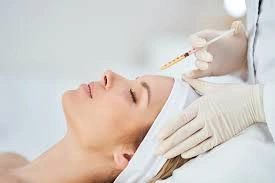
PRP (Platelet-Rich Plasma) therapy for the face — frequently called the ‘vampire facial’ following its high-profile celebrity adoption — is a medical aesthetic treatment in which a small volume of the patient’s own blood is drawn, centrifuged to concentrate platelets to 8–9x their baseline level, and reintroduced into the face through micro-injections, microneedling channels, or topical application.
The concentrated platelets release a potent cocktail of growth factors — including EGF (Epidermal Growth Factor), PDGF (Platelet-Derived Growth Factor), TGF-β (Transforming Growth Factor Beta), and VEGF (Vascular Endothelial Growth Factor) — that trigger a biological cascade in the skin:
- Fibroblasts are activated to produce new collagen and elastin fibres
- Epidermal cells accelerate their renewal cycle, replacing dull, aged surface cells faster
- Micro-vasculature improves, delivering more nutrients and oxygen to the dermis
- Hyaluronic acid production increases naturally within the dermal matrix
- Stem cells in the skin’s basal layer are stimulated into proliferative activity
The net result is a skin that is measurably thicker, firmer, more evenly pigmented, and more luminous — not because anything has been added to it, but because its own biology has been stimulated to perform at a higher level.
PRP therapy for the face is one of very few aesthetic treatments that actually improves the skin’s underlying structure — not just its surface appearance.
What Facial Conditions Does PRP Therapy Treat?
1. Fine Lines and Superficial Wrinkles
The fine lines around the eyes (crow’s feet), the upper lip, and across the forehead respond particularly well to PRP therapy. Collagen stimulation thickens the dermis, physically reducing the appearance of surface lines from below — a fundamentally different mechanism to filler (which pushes tissue up) or neurotoxin (which prevents muscle movement).
Results develop progressively over 4–8 weeks as new collagen matures, meaning patients see continued improvement long after their treatment session — a characteristic that strongly supports patient satisfaction and referrals.
2. Skin Texture and Enlarged Pores
Uneven skin texture — rough surface, visible pores, irregular tone — is among the most common aesthetic concerns across all age groups. PRP improves texture by accelerating epidermal renewal and thickening the dermal-epidermal junction, which physically compresses visible pore openings and creates a smoother, more refined skin surface.
Patients with oily skin types who have struggled with pore reduction through topical treatments often respond dramatically well to PRP, as the treatment addresses skin quality at a structural level rather than simply controlling surface oil production.
3. Hyperpigmentation and Uneven Skin Tone
Melanin overproduction — whether from sun damage, post-inflammatory hyperpigmentation (PIH) following acne, or hormonal melasma — responds to PRP through growth factor modulation of melanocyte activity. EGF in particular has demonstrated melanin-suppressing properties in clinical literature, making PRP a useful biological complement to conventional pigmentation treatments.
PRP is especially valuable for dark skin tones (Fitzpatrick Types IV–VI) where laser-based pigmentation treatments carry a higher risk of post-inflammatory hyperpigmentation — making a purely biological approach both safer and more appropriate.
4. Acne Scarring
Atrophic acne scars — the depressed, rolling, or ice-pick scars that persist long after active acne resolves — represent one of the most difficult skin conditions to treat. PRP, particularly when combined with microneedling, stimulates the collagen remodelling process that gradually fills and smooths atrophic scars from within.
Multiple sessions are typically required, but clinical results across controlled trials demonstrate significant scar improvement with combined PRP-microneedling versus microneedling alone — with PRP adding the biological stimulus that mechanical needling alone cannot provide.
5. Under-Eye Rejuvenation (Periorbital Area)
The periorbital area — under-eye circles, hollow tear troughs, and fine periorbital lines — is among the most technically rewarding applications of PRP facial therapy. The thin skin in this area responds sensitively to growth factor stimulation, with measurable improvements in pigmentation, skin thickness, and fine line depth achievable within 6–8 weeks of a well-executed PRP treatment.
Unlike filler, which can cause the ‘Tyndall effect’ (blue discolouration) in superficial under-eye placement, PRP carries no such risk — making it the safer biological alternative for under-eye rejuvenation, particularly for younger patients or those with thin skin who are not yet appropriate candidates for volumising fillers.
6. Overall Skin Quality and Glow
Beyond specific indications, PRP facial therapy consistently improves the overall quality, luminosity, and vitality of the skin. Patients — and their friends — notice a glow and freshness that is difficult to attribute to any single specific change, but reflects the cumulative effect of improved vascularity, dermal thickness, and epidermal renewal. This is the result that drives the most powerful patient testimonials and word-of-mouth referrals.
PRP Facial Treatment Methods: Injections vs Microneedling
PRP can be delivered to facial skin through two primary methods, each with distinct advantages:
Intra-dermal PRP Micro-Injections
PRP is injected directly into the dermis using a fine needle or cannula — typically across the full face in a mesoinjection pattern, or targeted to specific areas of concern. This delivers PRP precisely to the fibroblast-rich dermis where collagen production originates.
Best for: Volume loss, deep lines, tear trough rejuvenation, and targeted treatment of specific facial zones. Requires advanced injection training but delivers the most site-specific results.
PRP Combined with Microneedling (Collagen Induction Therapy)
A dermal needling device (Dermapen, SkinPen, or similar) creates thousands of micro-channels across the treatment area. PRP is applied topically immediately after needling, penetrating through the channels into the dermis — delivering growth factors without the need for multiple needle punctures.
Best for: Overall skin quality improvement, texture, pores, and diffuse pigmentation. Lower injection skill threshold than pure PRP micro-injection. Excellent for patient entry into regenerative aesthetics.
Many leading aesthetic clinics combine both approaches — using micro-injections for targeted zone treatment followed by microneedling with PRP topical application across the full face — delivering maximum biological benefit in a single session.
How Many PRP Facial Treatments Are Needed?
The optimal protocol depends on the patient’s skin condition, age, and treatment goals:
Preventive / skin quality: 3 sessions spaced 4 weeks apart, followed by maintenance every 6–12 months. Ideal for patients in their 30s seeking proactive skin health management.
Moderate ageing / fine lines / texture: 3–4 sessions over 3–4 months, with maintenance every 6 months. Most common protocol for aesthetic clinic patients aged 35–55.
Acne scarring: 4–6 sessions spaced 4–6 weeks apart. Results continue developing for 3–6 months post-course as collagen matures.
Under-eye / pigmentation: 3 sessions, then quarterly maintenance. These are typically more stubborn indications requiring sustained biological stimulus.
8–9× platelet concentration achieved by Ycellbio PRP Aesthetics Kit — significantly outperforming standard systems at 2–3× baseline
What Makes PRP Facial Results Better or Worse?
Two variables dominate PRP facial outcome quality above all others:
1. Platelet concentration of the PRP preparation
The growth factor payload delivered to the skin is directly proportional to the platelet concentration of the PRP. A preparation at 2–3x baseline (typical of lower-quality kits) delivers a fraction of the biological stimulus achievable with a high-concentration system. The Ycellbio PRP Aesthetics Kit achieves 8–9x baseline concentration — meaning each facial treatment delivers 3–4x more growth factors than a standard kit at the same session price. This is the single most important determinant of clinical outcome quality.
2. Clinician technique and injection precision
The depth, pattern, and distribution of PRP delivery significantly affect results. Superficial application may miss the fibroblast-rich dermis entirely, while too-deep injection bypasses the target tissue. Proper training and anatomical understanding of facial tissue planes are prerequisites for consistently excellent PRP facial outcomes.
PRP vs Other Non-Surgical Facial Treatments
Patients often compare PRP to other popular non-surgical aesthetic treatments. Here is how the key comparisons break down:
PRP vs Hyaluronic Acid Fillers: Fillers provide immediate volume but do not improve underlying skin quality. PRP improves skin structure over time but does not replace lost volume. They are highly complementary — many leading clinics combine both in a single treatment plan.
PRP vs Anti-Wrinkle Injections (Neurotoxins): Neurotoxins reduce dynamic wrinkles by inhibiting muscle movement. PRP improves skin quality and static lines without affecting muscle function. Again, complementary rather than competitive.
PRP vs Laser Resurfacing: Laser treatments ablate or heat tissue to stimulate healing. PRP stimulates healing biologically without tissue damage. PRP has significantly less downtime and is safer for darker skin tones. Many advanced clinics combine laser with post-treatment PRP to enhance healing.
PRP vs Chemical Peels: Peels improve surface texture and pigmentation by controlled exfoliation. PRP works at the dermal level to improve structure and collagen. Combining a light peel with PRP can enhance results across both mechanisms.
Why European Aesthetic Clinics Choose Ycellbio PRP
Revital Medica is the official European distributor for Ycellbio PRP Aesthetics Kits — the most clinically advanced facial PRP system available in Europe. The clinical and operational advantages that make Ycellbio the preferred choice for leading aesthetic clinics include:
- Consistent 8–9× platelet concentration — delivering the highest growth factor payload per facial session
- 5-minute preparation — enabling seamless integration into busy aesthetic clinic workflows
- FDA-registered Class 1 medical device — full regulatory compliance for clinical use
- Universal centrifuge compatibility — no proprietary equipment lock-in
- Partner programme: free centrifuge system with 25 kits per month — eliminating capital barriers
- Europe’s most competitive pricing — best kit cost for a high-concentration system on the continent
- Fast delivery to all European countries — reliable monthly supply for growing clinics
Frequently Asked Questions
Q: Is PRP therapy for the face painful?
A: Most patients describe a mild to moderate stinging sensation during injection, well managed with topical anaesthetic cream applied 30–45 minutes before treatment. Microneedling with topical PRP is generally less uncomfortable than injections.
Q: How long does a PRP facial treatment take?
A: From blood draw to completion, a PRP facial treatment typically takes 45–75 minutes — including preparation (5 minutes with Ycellbio), anaesthetic application time, and the treatment itself.
Q: When will I see results from PRP facial therapy?
A: Initial skin quality improvements — improved glow and reduced dullness — are often noticeable within 2 weeks. More significant structural improvements in texture, fine lines, and pigmentation develop progressively over 4–8 weeks as collagen synthesis increases.
Q: Is PRP facial therapy safe for all skin types?
A: Yes. Because PRP uses the patient’s own blood, it is suitable for all skin types and tones including darker Fitzpatrick types (IV–VI) where some laser treatments are contraindicated.
Q: How does PRP facial therapy differ from a vampire facial?
A: They are the same treatment — ‘vampire facial’ is a popular culture term for PRP microneedling, while PRP facial therapy is the broader clinical term that encompasses both injection-based and microneedling delivery methods.
Q: Where can aesthetic clinics buy PRP kits for facial treatments in Europe?
A: Revital Medica supplies Ycellbio PRP Aesthetics Kits to aesthetic clinics across all of Europe. Contact us at revitalmedica.com for pricing, partner programme details, and delivery information.
Conclusion
PRP therapy for the face represents the ideal fusion of biological science and aesthetic medicine — a treatment that produces genuine, lasting improvements in skin quality using the patient’s own biology. For aesthetic clinics, it is a high-demand, high-satisfaction treatment that drives strong patient retention, compelling before-and-after results, and robust word-of-mouth referrals.
The quality of outcomes depends fundamentally on the PRP system used. Revital Medica and Ycellbio provide European aesthetic clinics with the highest-concentration, most consistent, and most clinically trusted facial PRP technology available — enabling clinics to consistently deliver the results that patients are searching for.
Contact Revital Medica: revitalmedica.com | info@revitalmedica.com | +48 656 161 616