
Introduction
Chronic pain and tendon injuries represent one of the largest and most underserved segments of regenerative medicine. Millions of patients across Europe suffer from conditions like tendinopathy, joint inflammation, and soft tissue injuries that do not respond adequately to conventional treatments such as physiotherapy, corticosteroid injections, or NSAIDs.
PRP (Platelet-Rich Plasma) therapy has emerged as a leading biological solution for pain management — offering clinicians a way to harness the body’s own healing mechanisms to repair damaged tissue at the source. With keyword searches around ‘PRP therapy pain’ and ‘PRP therapy for tendonitis’ growing consistently, clinic demand for reliable, high-quality PRP systems has never been higher.
How PRP Therapy Works for Pain
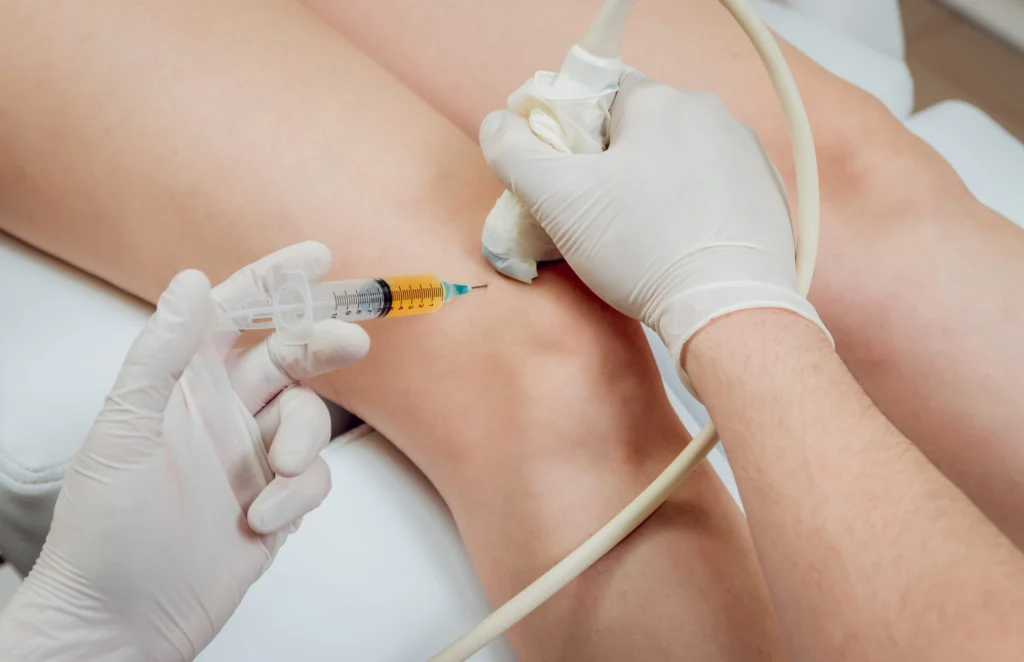
PRP therapy for pain works by concentrating the platelets — the cells responsible for initiating the body’s natural repair cascade — and injecting them directly into the injury site. Platelets release a cocktail of growth factors including TGF-β, PDGF, and IGF-1, which stimulate tissue repair, reduce inflammation, and promote the regeneration of collagen and extracellular matrix.
Unlike corticosteroid injections, which temporarily suppress inflammation but can damage tissue with repeated use, PRP addresses the underlying biology of the injury — making it a true regenerative treatment rather than a symptomatic one.
Conditions Treated with PRP Therapy for Pain
Tendinopathy and Tendonitis
Tendinopathy — the degeneration of tendon tissue — is one of the most evidence-backed applications of PRP therapy. Conditions including lateral epicondylitis (tennis elbow), Achilles tendinopathy, patellar tendinitis (jumper’s knee), and rotator cuff tendinopathy have all shown significant improvement in multiple randomised controlled trials.
PRP works by stimulating tenocyte (tendon cell) proliferation and collagen synthesis, effectively regrowing the damaged tendon matrix from within. Multiple studies show PRP significantly outperforms saline placebo and rivals corticosteroid injections in long-term pain reduction — with the added benefit of actually healing the tissue rather than masking the symptoms.
Joint Arthritis and Knee Pain
Knee osteoarthritis is among the most prevalent painful conditions in adults over 50. Intra-articular PRP injections reduce inflammatory cytokines in the joint, slow cartilage degeneration, and improve joint mobility and pain scores. Several meta-analyses now support PRP as superior to hyaluronic acid injections for knee osteoarthritis pain over 12 months.
Lower Back Pain and Spinal Conditions
Emerging evidence supports the use of PRP for discogenic low back pain, facet joint arthritis, and sacroiliac joint dysfunction. While research is less established than in orthopaedics, clinical results are promising and the biological rationale is sound.
Sports Injuries
Professional sports medicine increasingly incorporates PRP for muscle tears, ligament sprains, and stress fractures. The rapid preparation time of modern PRP systems — 5 minutes with Ycellbio — makes it practical in sports clinic and pitch-side settings.
PRP Therapy vs Stem Cell Therapy: Key Differences
A frequently searched comparison is ‘PRP therapy vs stem cell therapy’. Both are regenerative approaches, but they work through different mechanisms:
PRP therapy concentrates platelets from the patient’s own blood to deliver growth factors to an injury site. It is simpler, faster to prepare, more affordable, and supported by a larger body of clinical evidence across orthopaedic and aesthetic applications.
Stem cell therapy typically involves isolating mesenchymal stem cells from bone marrow or adipose tissue and injecting them into the injury site. These cells can theoretically differentiate into tissue-specific cells (chondrocytes, tenocytes) and secrete paracrine signals that promote healing.
In practice, PRP is the first-line regenerative option due to its accessibility, established safety profile, and broad evidence base. Stem cell therapy is generally reserved for more severe degenerative conditions or used in combination with PRP — as offered by Revital Medica’s Stem Cell Orthopedic Kit.
PRP is not competing with stem cell therapy — for most pain conditions, it is the appropriate first-line biological treatment.
PRP Therapy Cost for Pain Management
The cost of PRP therapy for pain varies by indication and country:
- Single tendon injection (e.g. tennis elbow, Achilles): €200–€500 per session
- Knee intra-articular injection: €250–€700 per session
- Spinal/facet joint injections: €300–€800 per session (ultrasound-guided)
Most pain protocols require 1–3 sessions spaced 4–6 weeks apart. Because PRP for pain often involves image-guided injection and specialist consultation, pricing reflects both the kit cost and the clinician’s expertise.
For clinics, the key is ensuring the PRP kit delivers consistent, high-concentration output every time. Variable platelet concentration leads to inconsistent results — which undermines patient trust and referrals. The Ycellbio system’s Tornado Technique eliminates this variability, producing 8–9x platelet concentration in every preparation.
Why Consistent PRP Concentration Matters in Pain Treatment
In pain medicine, treatment outcomes must be predictable. A patient with Achilles tendinopathy who responds well to their first PRP session and returns for their second expects the same quality of treatment. If the second preparation produces a lower platelet count due to kit variability, the clinical result will differ — and the patient loses confidence in the treatment.
Revital Medica’s Ycellbio kits solve this problem at the hardware level. The unique Y-shaped tube design with its slim neck makes the Buffy Coat clearly visible, allowing clinicians to extract the platelet layer with precision every time. The Up & Down Control Knob enables fine adjustment of cell separation, giving clinicians unparalleled control over preparation quality.
Building a PRP Pain Management Programme
For clinics looking to establish or expand a PRP pain management offering, the key considerations are:
- Establish clear patient selection criteria — PRP works best in tendinopathy, early-to-moderate arthritis, and sports injuries
- Use image guidance (ultrasound) wherever possible to ensure accurate injection placement
- Set realistic expectations — PRP is a biological process and results develop over 4–12 weeks post-injection
- Invest in a high-quality, consistent PRP preparation system from a trusted European supplier
- Build a follow-up protocol to document outcomes and refine your approach over time
Frequently Asked Questions
Q: How many PRP injections are needed for tendonitis?
A: Most tendinopathy protocols recommend 1–3 injections spaced 4–6 weeks apart. Response varies by condition severity and individual biology, but many patients experience significant improvement after a single injection.
Q: Is PRP better than cortisone for tendon pain?
A: In the long term, yes. Corticosteroids provide faster short-term pain relief but can weaken tendon tissue with repeated use. PRP addresses the underlying degeneration and produces more durable outcomes over 6–12 months.
Q: How does PRP therapy cost compare to surgical treatment?
A: PRP is significantly more cost-effective than surgery in most cases. A 3-session PRP course for knee osteoarthritis typically costs €600–€1,500 — compared to €5,000–€15,000 or more for surgical intervention.
Q: Where can clinics source PRP kits for pain management in Europe?
A: Revital Medica distributes the full Ycellbio PRP range across Europe, including kits optimised for orthopaedic and pain management applications.
Conclusion
PRP therapy for pain is one of the most evidence-supported and economically sound additions any regenerative medicine clinic can offer. With low keyword difficulty and growing patient demand, it represents an exceptional content and clinical opportunity. The key to successful outcomes lies in PRP system quality — and Revital Medica’s Ycellbio technology sets the standard across European clinics.